

 GMC specialist registered surgeonsprices and finance that make it happen results you can trustoutstanding careGMC specialist registered surgeonsprices and finance that make it happen results you can trustoutstanding care
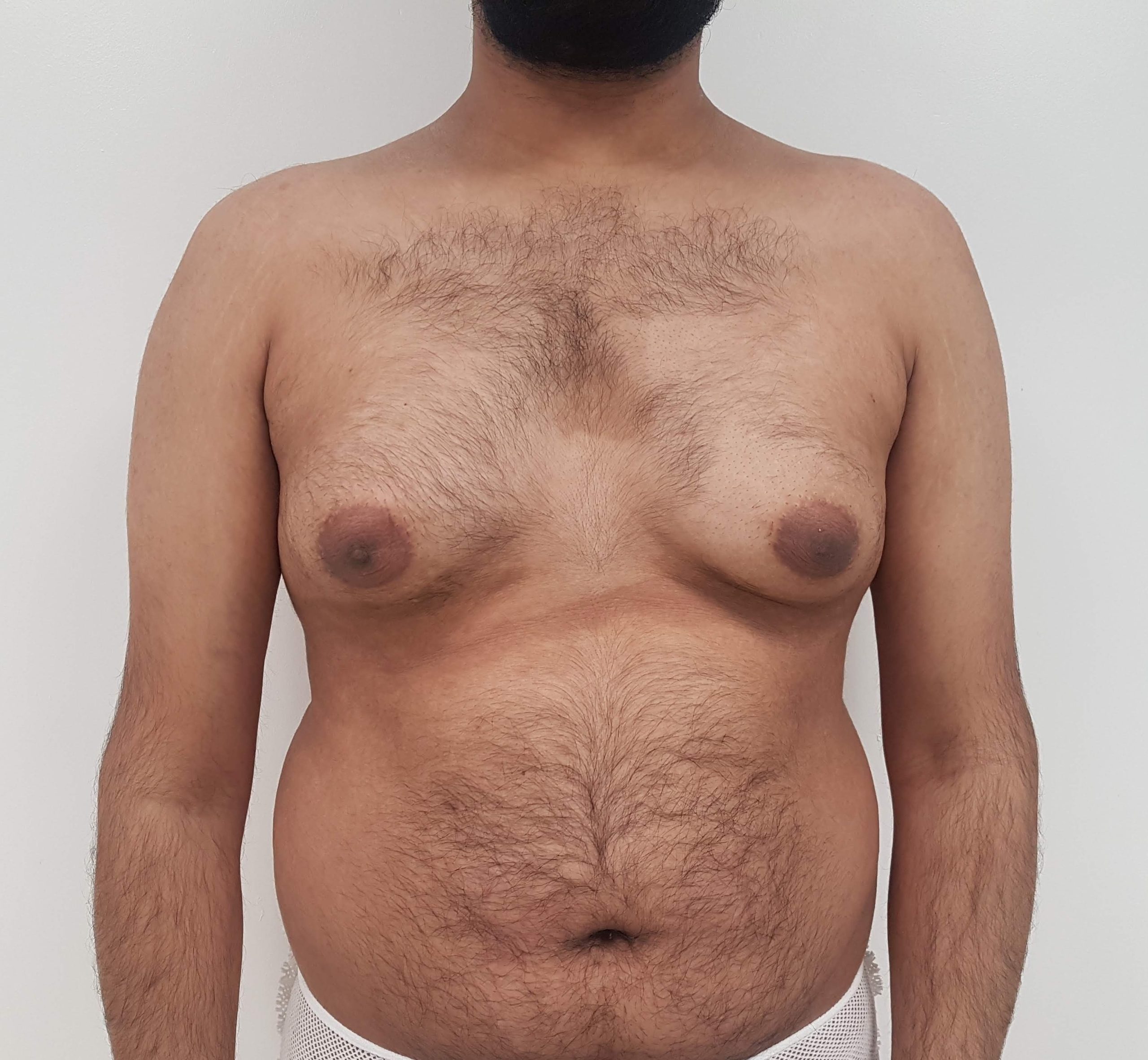
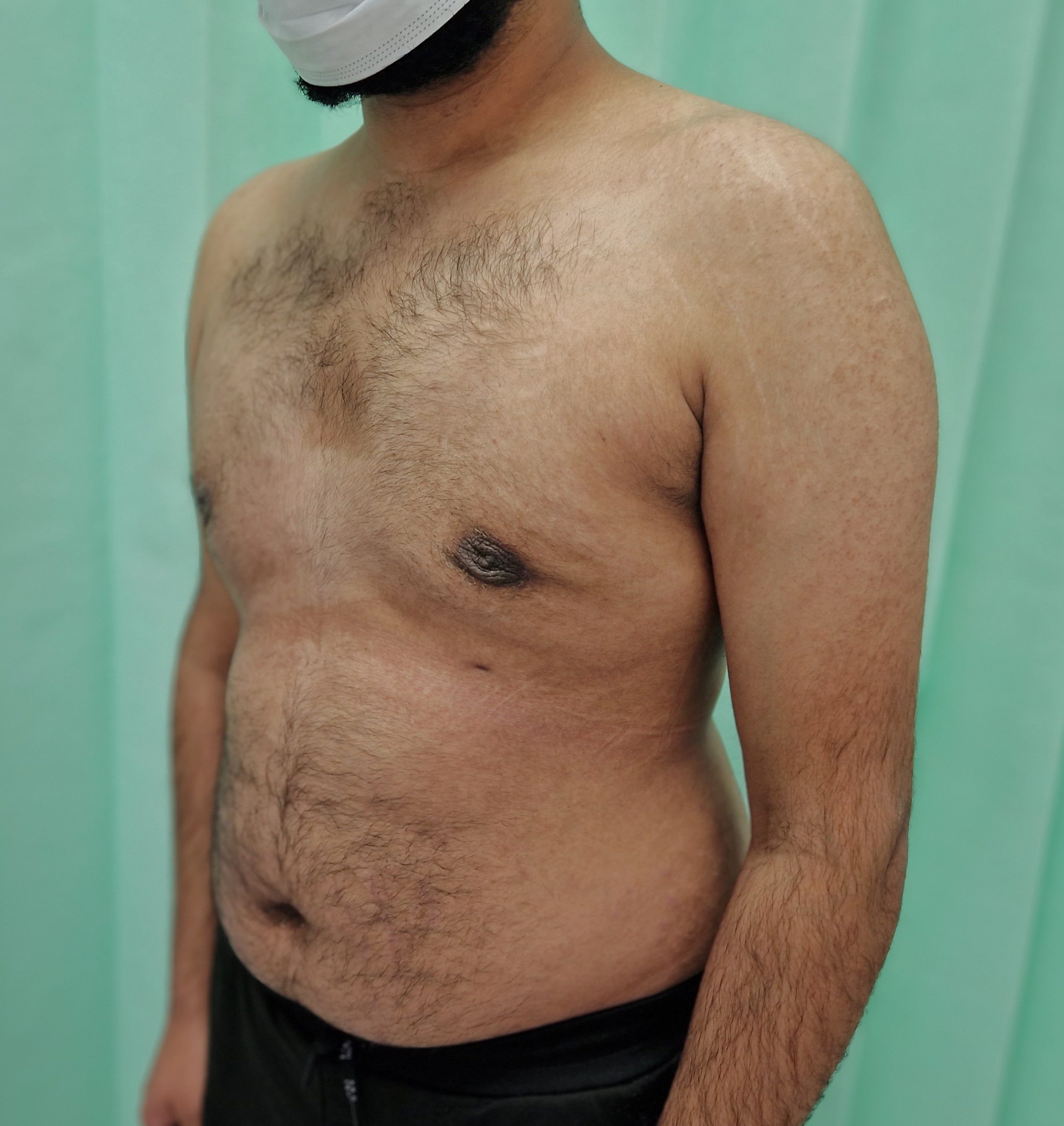
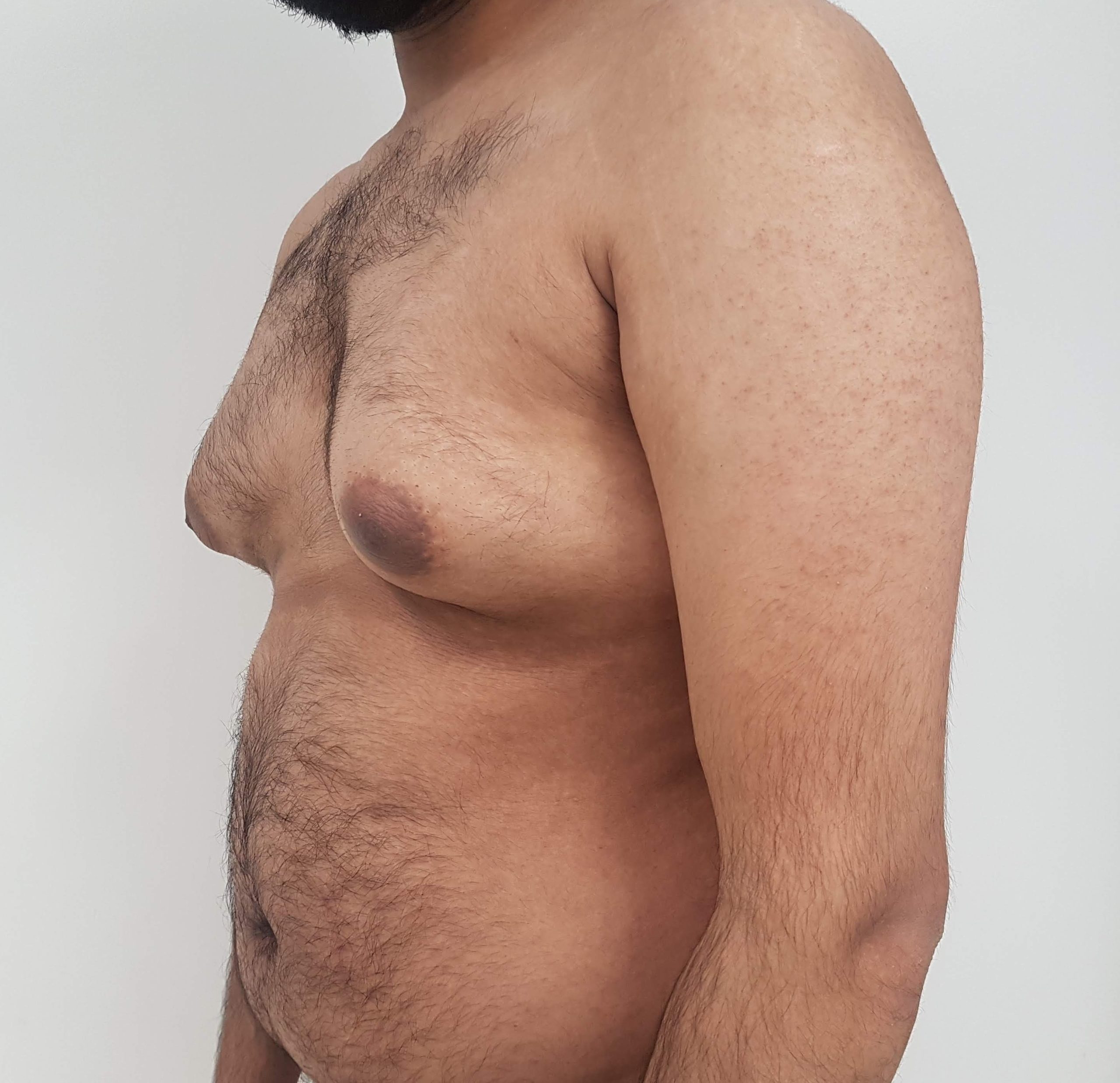
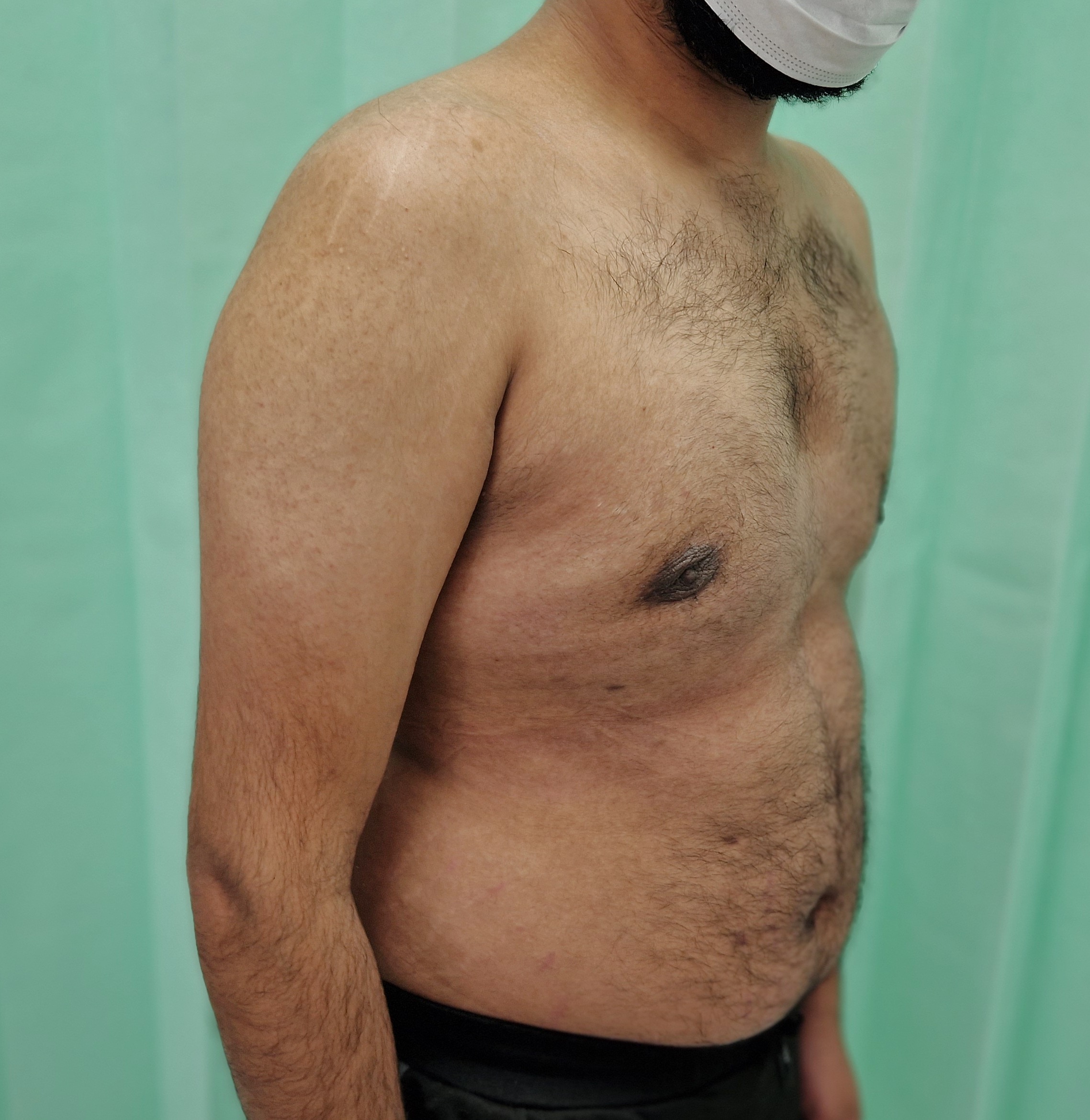
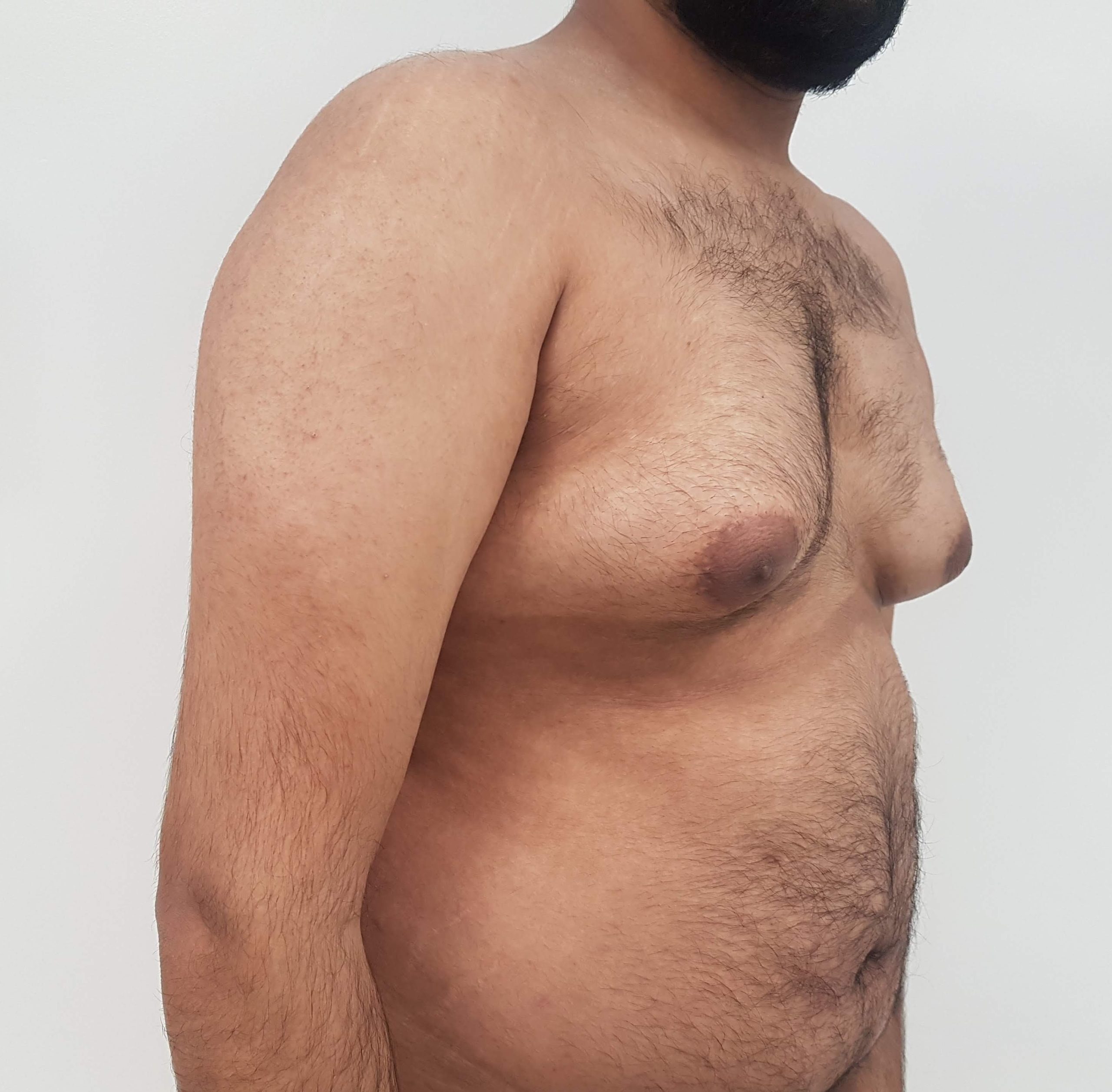
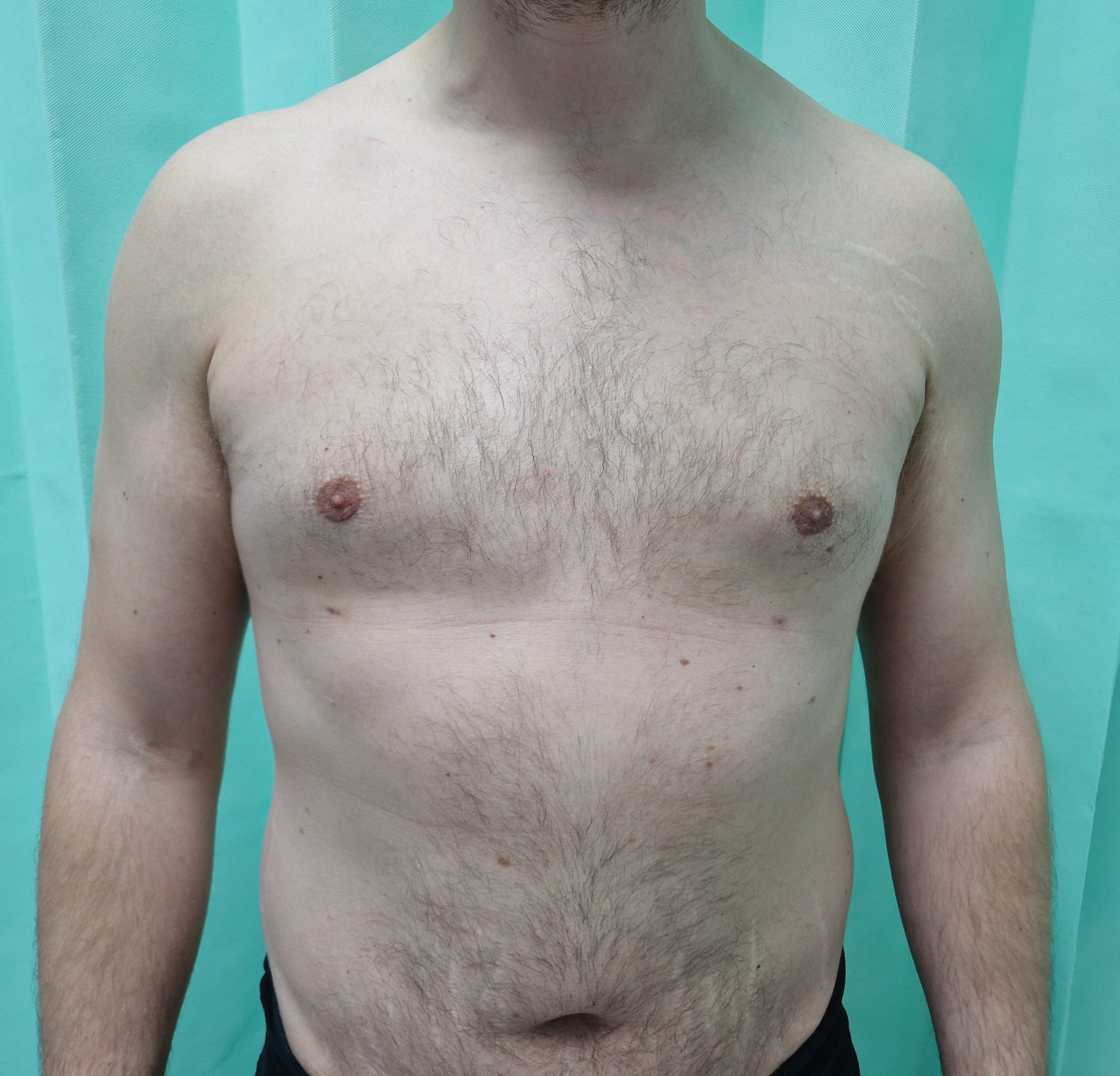
Gynaecomastia surgery offers our male clients the chest of their dreams. Today, more men are discovering the benefits of chest reduction:

Your surgeon will discuss all of your options following a comprehensive consultation and assessment. Treatment options can include:




We understand you will have many questions when you are thinking about a male chest reduction. Your first step is to meet one of our highly experienced consultant plastic surgeons. They will tell you about the procedure and put your mind at ease.
Sometimes, you may need other tests and examinations so your surgeon can make a definite diagnosis. These can include:
We will give you every opportunity to ask us questions before the procedure. Your pre-op meeting with your surgeon and regular contact with our expert team means you’ll be ready when your surgery day arrives.
Our preparation for your gynaecomastia procedure involves:

We make your experience as easy and relaxed as possible.
Before your gynaecomastia correction:
We will admit you to a CQC-registered hospital for your gynaecomastia correction.
Our expert surgeons tailor your surgery according to the severity of your gynaecomastia. The procedure usually takes one to two hours to perform, either under a local anaesthetic (suitable for grade 1 gynaecomastia) or a general anaesthetic (grades 2 and 3). Some gynaecomastia reductions are day cases, but others require an overnight stay in the hospital.
At the end of your male chest reduction procedure, your surgeon will use a suture and glue technique pioneered by one of our award-winning surgeons so that you can shower immediately after your surgery. Then, you’ll be placed in a support (compression) garment that you’ll wear for six weeks.
Downtime and complications are minimal because of our expert surgeons’ care. Your recovery will largely depend on the type of gynaecomastia surgery you’ve had. We will give you tailored advice about your aftercare and recovery. However, as a general guide, you can expect:
You can exercise six weeks after your male chest reduction.
Most patients take two weeks to recover before returning to work, but this may be a little longer if your job involves manual labour.
You should wear your post-op support garment for six weeks, apart from in the shower or bath.
You can start driving once you have stopped taking pain medication and can perform an emergency manoeuvre (stop), usually about three weeks after the procedure.
You’ll need a week’s grace for any travel. We advise waiting four weeks before boarding a plane – and up to six weeks for a long-haul flight.
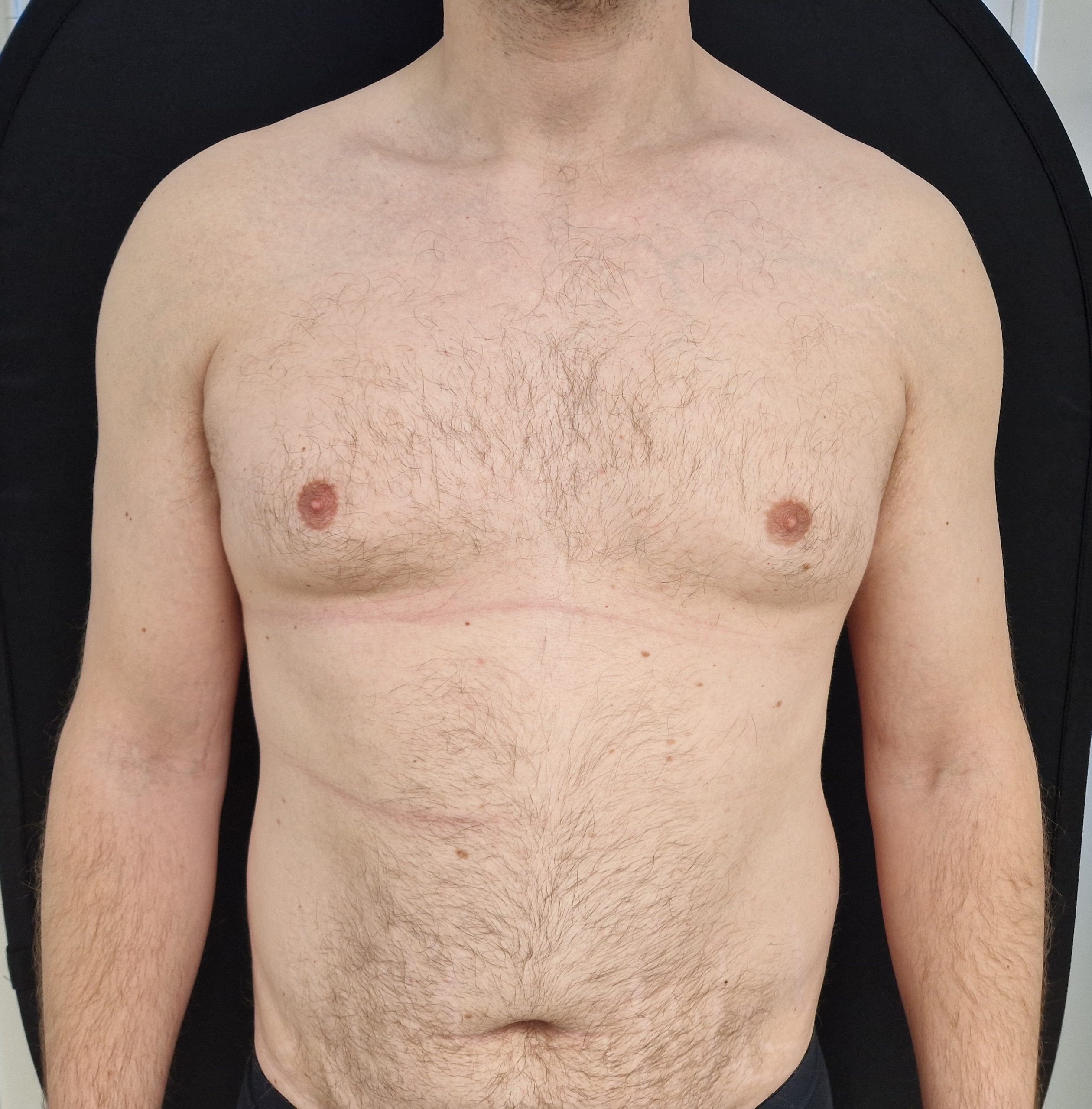
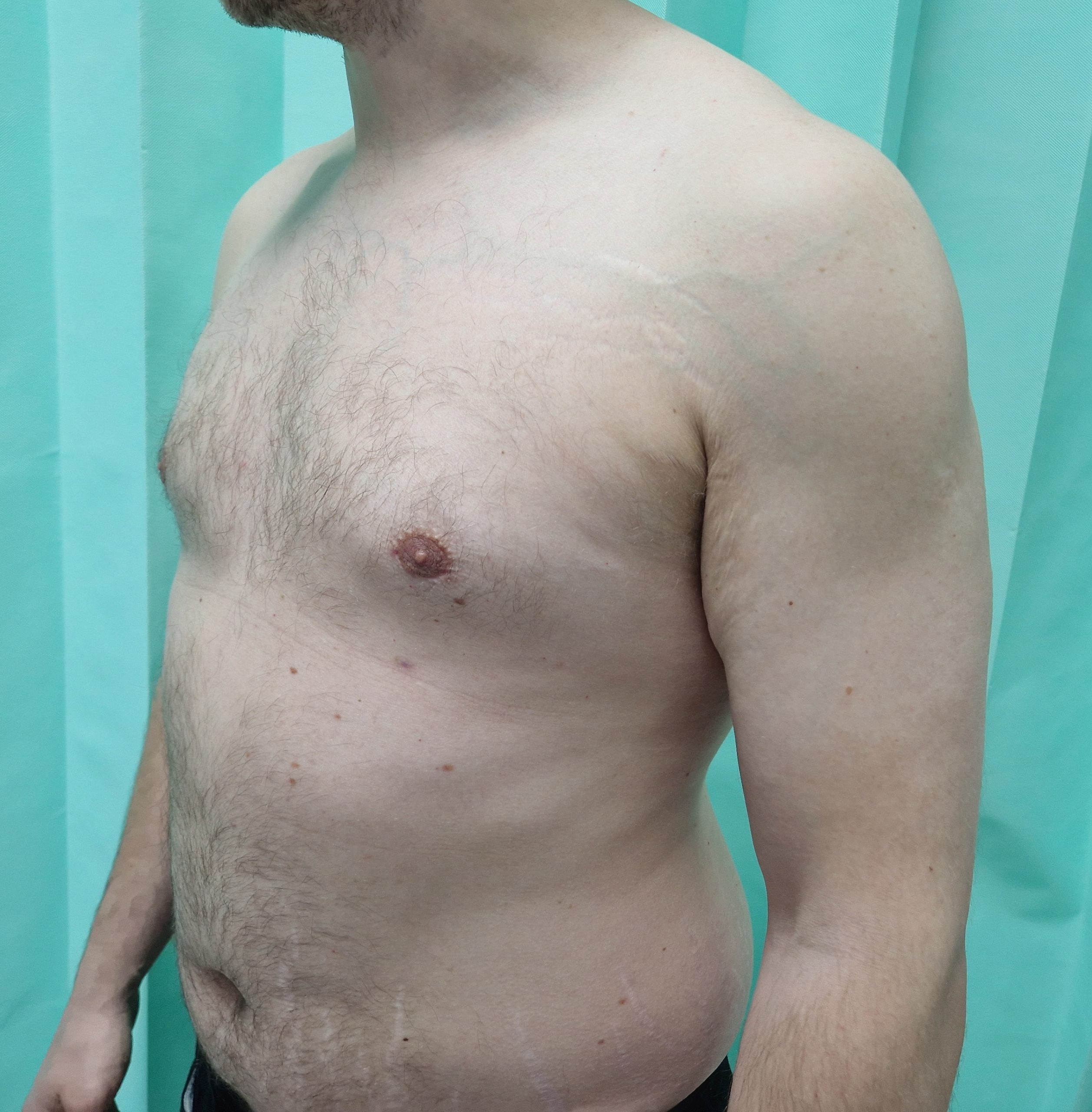
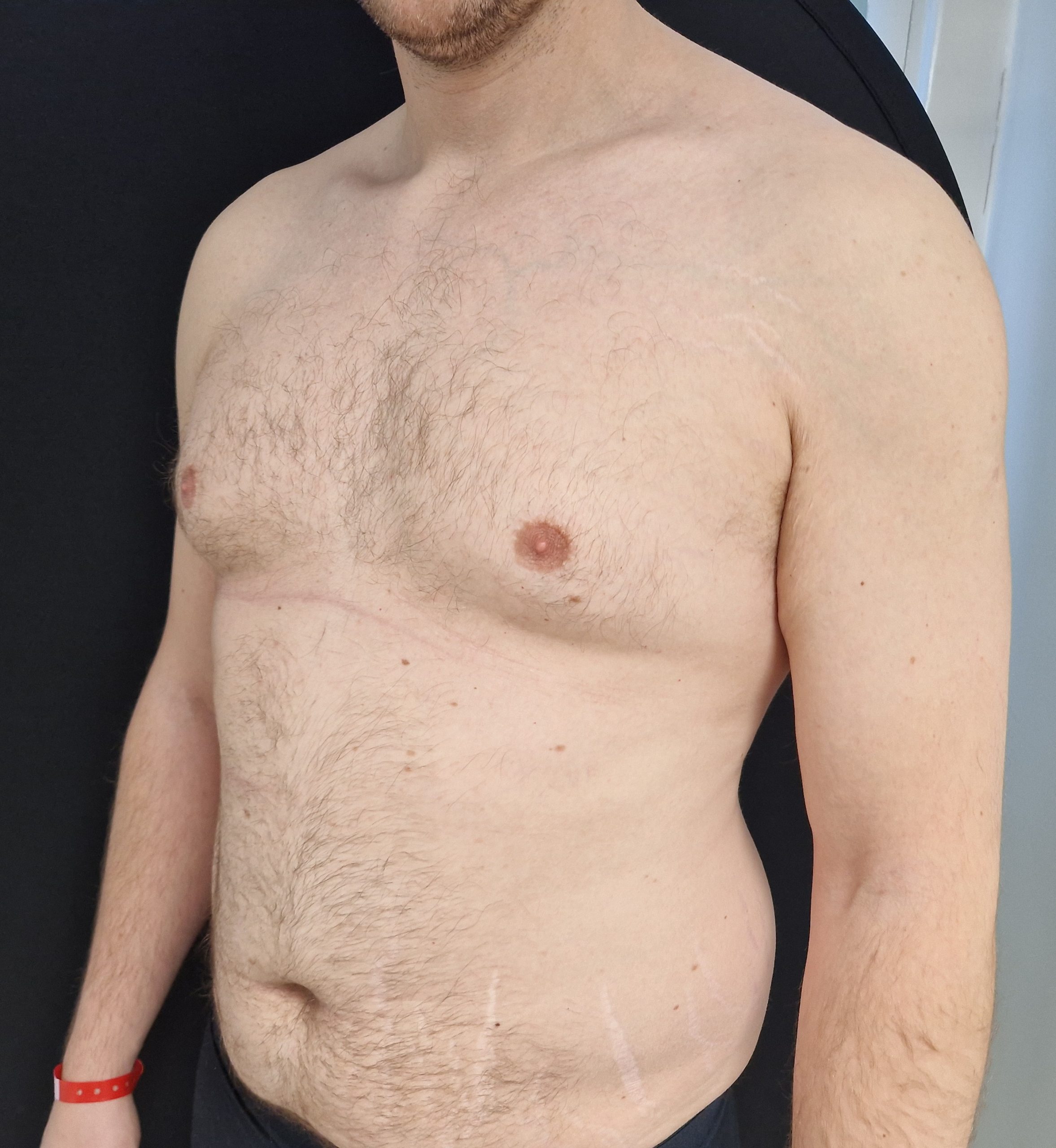
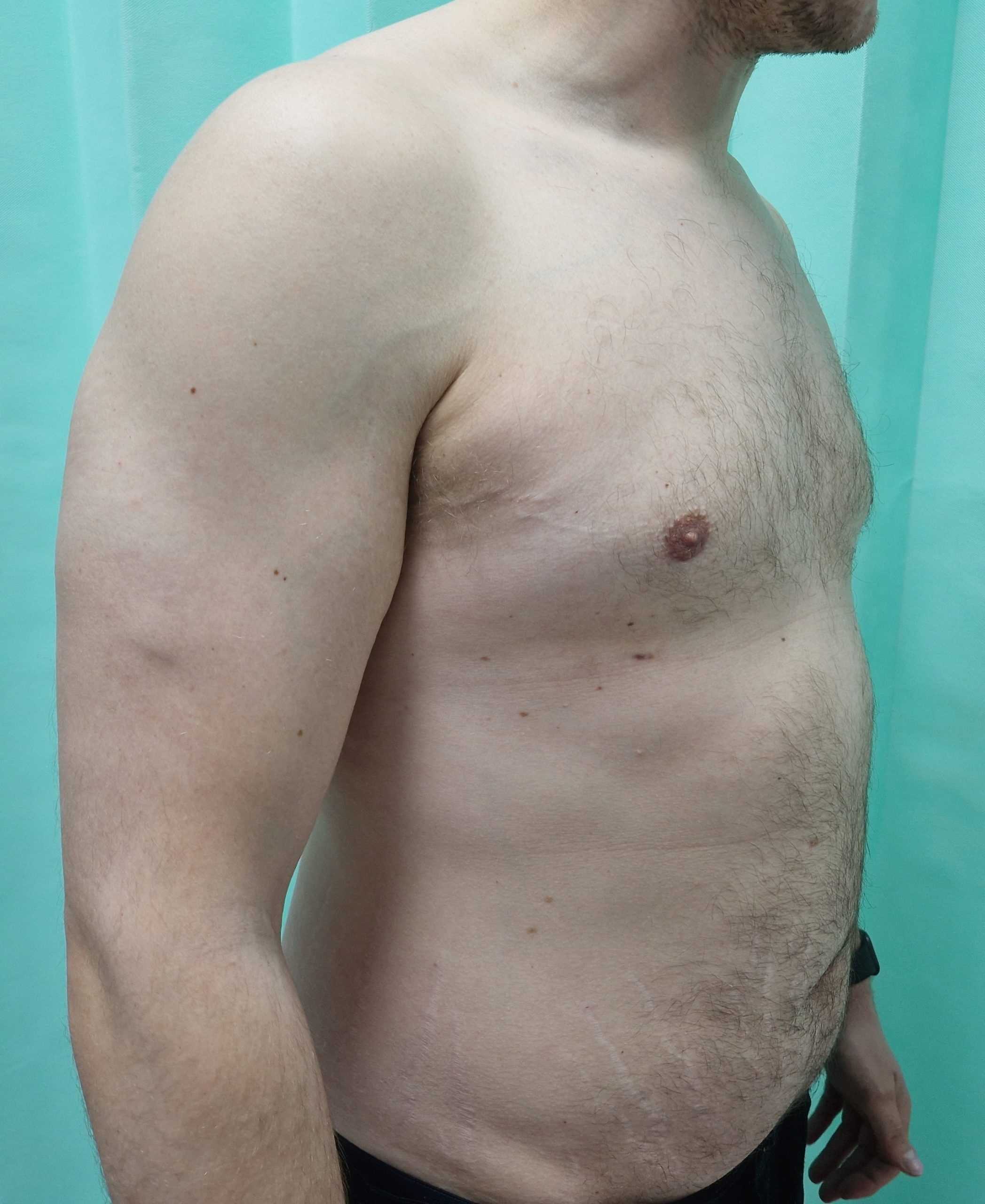
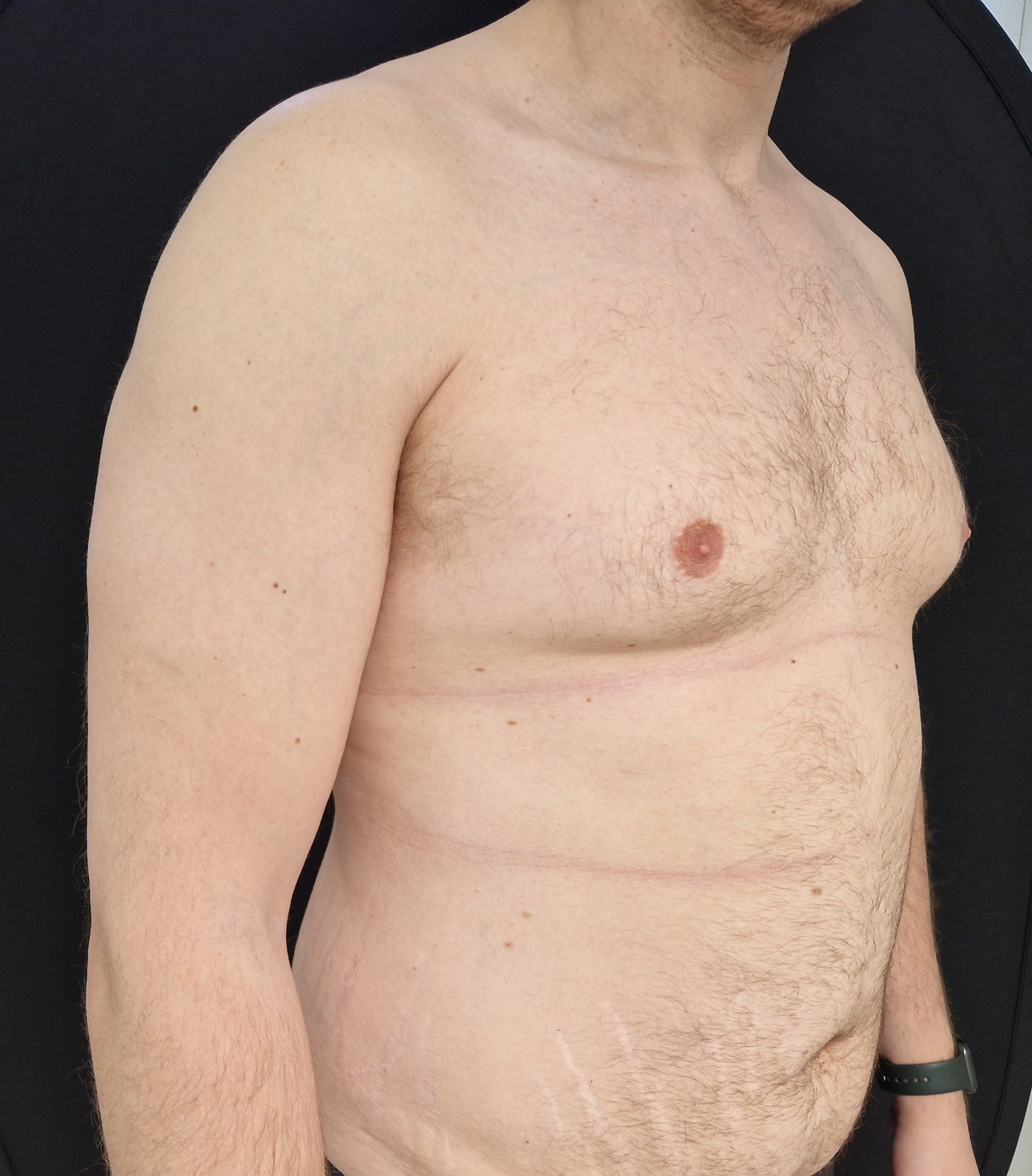
You will immediately notice a difference but see the best results after the swelling has subsided. Note that it can take three-six months to see your chest reduction’s full effects.
You will have scars after surgery, but they will fade gradually over the first year.
We understand you will have many questions when you are thinking about a male chest reduction. Your first step is to meet one of our highly experienced consultant plastic surgeons. They will tell you about the procedure and put your mind at ease.
Sometimes, you may need other tests and examinations so your surgeon can make a definite diagnosis. These can include:
We will give you every opportunity to ask us questions before the procedure. Your pre-op meeting with your surgeon and regular contact with our expert team means you’ll be ready when your surgery day arrives.
Our preparation for your gynaecomastia procedure involves:
We make your experience as easy and relaxed as possible.
Before your gynaecomastia correction:
We will admit you to a CQC-registered hospital for your gynaecomastia correction.
Our expert surgeons tailor your surgery according to the severity of your gynaecomastia. The procedure usually takes one to two hours to perform, either under a local anaesthetic (suitable for grade 1 gynaecomastia) or a general anaesthetic (grades 2 and 3). Some gynaecomastia reductions are day cases, but others require an overnight stay in the hospital.
At the end of your male chest reduction procedure, your surgeon will use a suture and glue technique pioneered by one of our award-winning surgeons so that you can shower immediately after your surgery. Then, you’ll be placed in a support (compression) garment that you’ll wear for six weeks.
You can exercise six weeks after your male chest reduction.
Most patients take two weeks to recover before returning to work, but this may be a little longer if your job involves manual labour.
You should wear your post-op support garment for six weeks, apart from in the shower or bath.
You can start driving once you have stopped taking pain medication and can perform an emergency manoeuvre (stop), usually about three weeks after the procedure.
You’ll need a week’s grace for any travel. We advise waiting four weeks before boarding a plane – and up to six weeks for a long-haul flight.
You will immediately notice a difference but see the best results after the swelling has subsided. Note that it can take three-six months to see your chest reduction’s full effects.
You will have scars after surgery, but they will fade gradually over the first year.



We have partnered with Plim to offer tailored finance options that help you pay for your procedure – and we are clear about the costs of surgery at every stage.
Find out more about finance.
All operations involve some risk, but it’s relatively low in male breast reduction surgery.
Possible complications of gynaecomastia correction include infection, bleeding, scarring, numbness, risk of losing the nipple-areola complex, fat necrosis (lumps in the breast), T-junction delay and venous thromboembolism (VTE). Your surgeon will explain the risks and complications associated with your operation in more detail during the consultation.
At The Levant Clinic, all our surgeons are accredited by the General Medical Council (GMC) and hold the FCRS (Plast) qualification. We take the utmost care to minimise any complications.
In your initial consultation, your surgeon will discuss the type of anaesthetic recommended for chest reduction surgery. For example, grade 1 gynaecomastia can be performed under local anaesthetic, whereas a general anaesthetic is preferred for grades 2 and 3.
You’ll be given ample time to discuss your concerns, discover your options and consider the most suitable approach for you.
It helps to think about what you want to ask in advance and bring the list of questions. But if you forget to ask something during the consultation, don’t worry – you can always contact our specialist team, who can get the answer direct from your surgeon. The questions you may want to consider are:
Having a chest reduction is a personal choice. If you want a permanent way to develop more masculine chest contours, then a gynaecomastia may be right for you. It can be an excellent way to:
Contact us today – book a consultation to discuss your options.
The grading system, devised by scientists to help diagnose gynaecomastia, is categorised according to severity:
We focus on results, safety, and care.
From the moment you first call us, you’ll have a point of contact in our dedicated team to answer all your questions. We promise you:


I am so glad I went with Mr Jallali
I’m over the moon with my results and followed everything he said to the letter for the best result possible. I’ll be looking to redo my breast augmentation at some point and Mr Jallali will be the only person I’ll be going to.

The best of the best!
I knew after the first appointment that I was in the best hands. The results are better than I could have ever imagined and my life has changed so much now, and in ways I never thought it could, which I'm so incredibly thankful for.
I wish I’d done it sooner!
I researched long and hard before I decided on Mr Jallali to carry out my tummy tuck surgery. Mr Jallali is lovely, incredibly reassuring and won my confidence immediately whilst at the same time was clear about realistic expectations.
The best of the best!
I saw SEVERAL very experienced surgeons ahead of proceeding with Mr J and I do not regret it one bit. The procedure was very competitively priced and I felt super safe the whole way. Mr J is one of the most senior surgeons in London and his experience shows on my face! I will never go to anyone else :)
A truly wonderful and smooth experience!
Everything has gone so smoothly & my results are amazing already at 6weeks post op. Would recommend him to anyone who is thinking of having a breast augmentation. Can’t thank him enough!

A truly wonderful and smooth experience!
I can’t rate Dr Jallali enough for how he has changed my confidence as a young woman. From the minute I met Dr Jallali I knew he was who I wanted to do my surgery, he is a very knowledgeable surgeon and this shows.
My stomach is flatter than before I had children!
I had a tummy tuck , liposuction and hernia removal and I am very very happy with the results my body shape is better than it has ever been and my stomach is flatter than before I had children!!!
Mr Jallali has been completely professional and did an amazing job
After having breast implants 10years ago, which I always thought they looked too big, and after breastfeeding my son, I wanted them reduced. Mr Jallali has been completely professional and did an amazing job. I’m 4 mths post op now and they look great, very happy with them! I can’t thank or recommend Mr Jallali enough 🤩.
Mr Jallali has gone beyond my expectations
After much research I felt most comfortable with Dr Jallali. He is very patient, took time to answer my many questions and of course preformed a safe and super successful surgery. Honestly, having a breast reduction has been one of the best decisions I’ve ever made.
The best of the best!
After being recommended Mr Jallali by a friend, she was proven right because he is the best option if you're making such a big decision and you want to be 100% sure about it! Mr Jallali is very friendly and professional and answered any questions I had, no matter how large or small.
Mr Jallali has gone beyond my expectations
I started off as a 30J and was in desperate need of getting rid of my back and shoulder pain. The weight has quite literally been lifted off my shoulders. Although the main focus was to get rid of this added pressure, I am in love with how they look so far. If you’re considering undergoing this procedure I very much recommend you book a consultation with Dr Jallali.
I couldn't be happier
I couldn't be happier about my experience with Mr Jallali. I had a breast reduction in March and my results are exactly what I asked for. Mr Jallali and his team were great with communication around my surgery and always made me feel comfortable pre and post op. I also had a remarkably smooth recovery with very little pain.
The best experience!
Everyday I’m still amazed at how quick this procedure was. I hadn’t heard about closed-rhinoplasty before meeting Dr Jallali. The more I learnt about this particular procedure the surer I became that this is something I wanted to do and I’m glad I did it. The recovery was absolutely remarkable and I'm so pleased with the results!
The very best and absolutely amazing
I’ve had a rollercoaster of a ride from surgery I had elsewhere. Dr Jallali has managed to create a miracle for me and rectify the surgery and improve absolutely everything for me. I can’t explain how happy I am from what he’s managed to do, it’s even better than I had imagined.
Perfect!
I've always wanted a breast augmentation so after years of wanting to I finally decided to go and do it! & I'm so happy I did. I was lucky enough to have the best top surgeon Navid Jallali who not only made me feel in safe hands throughout but gave me a fantastic outcome! I'm 6 weeks post op and everything is looking great. I would highly recommend him to any one who is looking for cosmetic surgery. Thank you Navid!
Dr Jallali - 5 star service
Dr Jallali performed a Mastopexy and I am thrilled with the results. He was kind, thoughtful and honest with what could be achieved with this procedure and the results are wonderful - I wish I’d done it sooner! I would recommend him to anyone and thank him greatly for his care.
The very best and absolutely amazing
Everyone there is so happy to help and made me feel so safe and at ease. Would never go to anyone else ever again. Changed my life completely. Thank you so so much. Words can’t explain.
I did lots of research before deciding
I did lots of research before deciding on who I would choose to perform my lower face and neck lift and decided on Mr Jallali. From our first meeting I felt very at ease and he explained step by step what I was to expect and I decided to go ahead with him.
I am so glad I went with Mr Jallali
I am so glad I went with Mr Jallali for my revision rhinoplasty. I did ALOT of research into surgeons for this procedure as I was so unhappy with my first rhinoplasty. I’m over the moon with my results and followed everything he said to the letter for the best result possible. The aftercare was amazing and the team at the hospital were fantastic as well.
Since having weight loss surgery my only regret is why did I wait!
From start to finish Mr Jallali has been amazing, from my initial consultation when the advice was for the correct surgery to suit my needs and not just something that I had read about on the internet, he explains everything with honesty and a kind bedside manner. His approach to his patients is exemplary.
From the moment I met Mr Jallali, I knew I had made the right decision
From the moment I met Mr Jallali I knew I had made the right decision to have a face lift. The whole experience before surgery during and aftercare have been outstanding. Mr Jallali.s surgical team were amazing. I cannot praise Mr Jallali and his team enough.
Brilliant result! Thank you, Mr Jallali
Mr Jallali was recommended to me by a friend of mine who had breast augmentation work done with him previously. He came VERY highly recommended, and I came to see him about doing a tummy tuck and replacing old implants after having my second child. Thank you Mr Jallali for the excellent work and for the help and concern throughout! I’m so pleased with the results! :)
Amazing Experience and Results
I highly recommend Mr Jallali if you are thinking about having a breast reduction. Mr Jallali did exactly what I wanted and took me to a C/D cup which I cannot believe as I have always had extremely large breasts. I am so happy with the results and as a young adult I can finally say I am confident with my body. Thank you Mr Jallali for your incredible work.
I did lots of research before deciding
From the day of the surgery to the day he discharged me from his care I couldn't of been more happy . My results are amazing exactly what I had hoped for and I feel so happy it was definitely the right choice and surgeon for me.
Exceptional Surgeon and Team
I had listened to loads of peoples views and researched various surgeons and I’m SO glad I found Dr Jallali. He is a true perfectionist and his work is incredible. There are no words to describe how fantastic him and his team are let alone his work. I haven’t seen anyone with such minimal scaring and stitching, his technique is truly unique.
My only regret is why did I wait!
If I had any regrets it would be why didn't I have the surgery sooner! My whole life has changed just in the way I move, the way I stand and the way I hold myself. The removal of my loose skin has had a profound affect on my self confidence and now I just need to reign in buying the fabulous new clothes to show off my new shape!
The best surgeon
I am so happy with my boobs and the process of having them done. I am only one day post OP and I feel amazing. The look off them is exactly what I wanted, even after only being one day I can tell they look amazing and I feel Great! The staff at The London Welbeck Hospital was so lovely, I would do it all over again (if I could).
I wish I’d done it sooner!
I am now 2 months post op and I am absolutely delighted with my result. To be honest I am happier than I expected to be, as I had undergone an unsuccessful vaser lipo procedure a year earlier which we thought could compromise my final result, which only goes to show what a skilful surgeon Mr Jallali is. Very grateful and very happy!
I couldn't recommend Dr Jallali enough
I couldn't recommend Dr Jallali enough, he is an extremely knowledgeable and experienced doctor who clearly is an expert in his field. From the very first meeting I was put at ease and never felt like he was there to sell me a product,- instead he was very honest about the potential outcomes, side effects etc. I see a massive difference already and it has honestly changed my life. If you're still deciding whether to go ahead with your surgery or not, just know that you will be in expert hands. He is worth every penny.
Exceptional surgeon and team
Any queries I had before and after the operation were attended to immediately. I highly recommend Dr Jallali to anyone wanting any surgical procedure. I wouldn’t go anywhere else! I absolutely love my new breasts, Dr Jallali exceeded my expectations and has changed my life, I’ve never felt so confident.
I am so glad I went with Mr Jallali
Please don’t be drawn in my the many companies advertising using “celebrities” make sure you do your research.. if I had I wouldn’t have gone to one of these and would have used Mr Jallali from the start. Thank you again!
Tummy tuck genius - would definitely recommend this doctor
Looked for a few years for a plastic surgeon, then I found Mr Jallali. He had great reviews and photos. My consultation was relaxed but professional, Mr Jallali explained exactly what the procedure would involve along with the recovery. I know people say “should have done it sooner/best thing I did” but it is so so true. I would definitely recommend Mr Jallali as the plastic surgeon for all, you will understand why when you see my pictures.
The best of the best!
It is difficult for me to explain just how amazing Mr Jallali is as a surgeon. He under promised and hugely overdelivered for me. He reassured me every step of the way including on the morning of my procedure when I was in tears as I was so scared of going under! My results are incredible and so much more than what I imagined when I first met Mr J.


Mr Navid Jallali is one of the most highly experienced and trusted consultant plastic surgeons and reconstructive surgeons, practising in the UK.
Our expert team is ready to answer your questions


